To mark World Nature Conservation Day 2024, a day dedicated to raising awareness about the importance of preserving and protecting our natural resources and ecosystems, we chatted to alumna and current Research Fellow at UWA Dr Emily Hoffmann PHD '22 about her journey, the amazing PEAT research currently being undertaken in South Western Australia and her thoughts on what we could all do to celebrate and contribute to the preservation of our natural world .
Tell us a little about yourself and your connection to UWA. 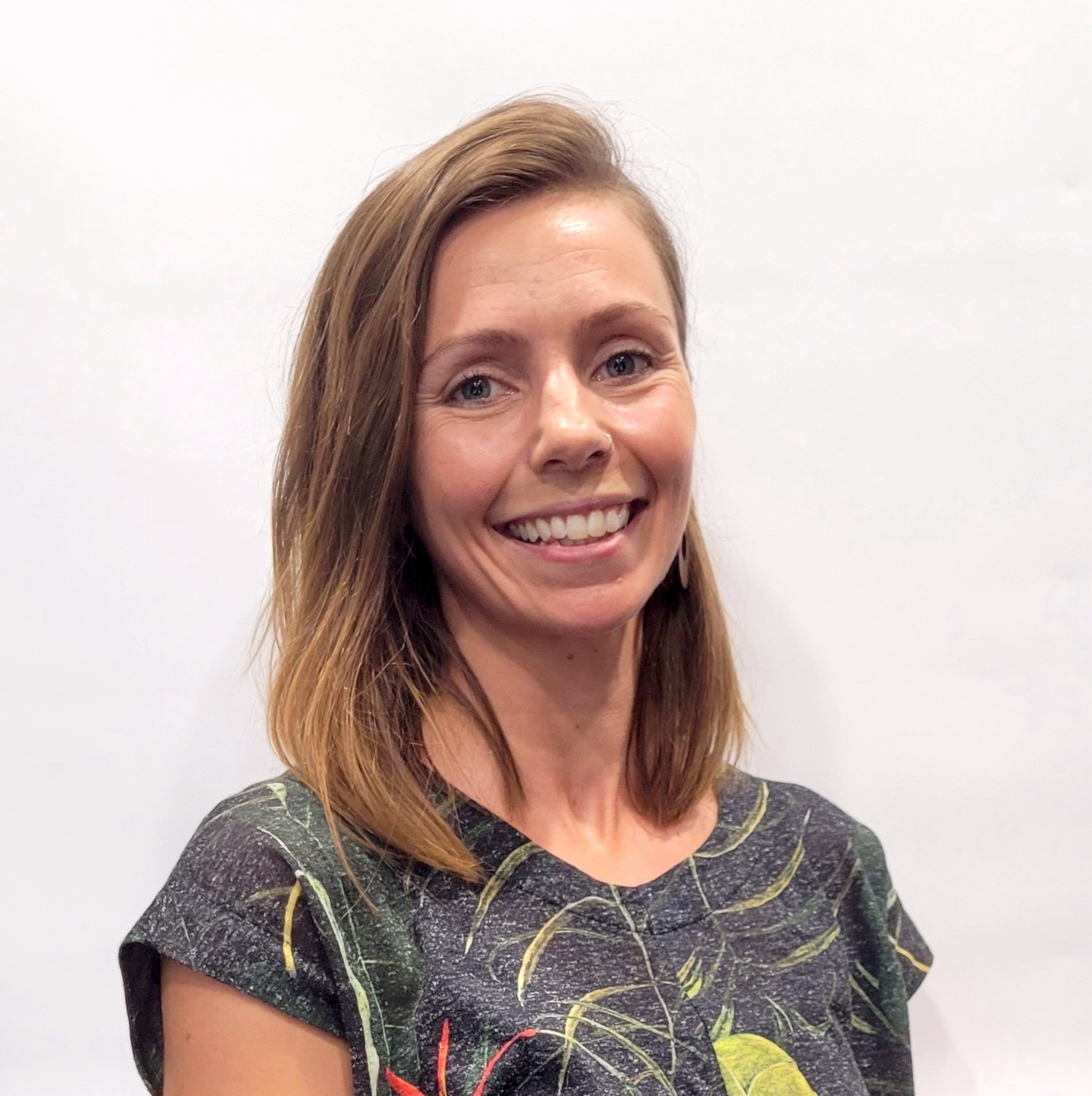
I am an applied ecologist with a focus on the conservation of threatened species. In particular, my research has a strong focus on targeting the knowledge gaps for on-ground management – trying to help conservation managers on the ground know what they need to know for effective on-ground actions.
These questions often are centred around how to best detect and monitor species, identifying the cause of population declines, and exploring management actions for recovery. I am also interested in investigating the impacts of environmental change, such as climate change, on at-risk amphibians and reptiles.
I completed my PhD at the University of Western Australia in 2022, where I was investigating how threatened terrestrial breeding frogs in southwest WA are being impacted by a drying warming climate.
I have excitingly recently rejoined UWA as a Research Fellow, working with the biodiversity team on a project aiming to protect peatlands in southwest WA.
Can you share a little about the PEAT project?
The project, PEAT – Protecting Peatland Ecosystems and Addressing Threats in Southwestern Australia, is a transdisciplinary research project aimed at advancing the understanding and sustainable management of southwestern peatland ecosystems, with a focus on their geodiversity, biodiversity, and cultural significance.
The project, co-led by UWA and Edith Cowan University, and guided by Elders, is a collaboration between academic and community-based scientists, managers, and volunteers, including the Undalup Association, the Department of Biodiversity, Conversation and Attractions, the Western Australian Museum, the Walpole-Nornalup National Park Association and with funding from The Ian Potter Foundation.
These peatlands harbour some incredible and ancient creatures that are found nowhere else on the planet. I am particularly interested in on one of those species – the sunset frog, Spicospina flammocaerulea, that exclusively lives in a subset of peatlands near Walpole.
The slow-forming peat systems where they live are under threat from a drying climate, changing fire regimes, damage from feral pigs and diseases. Conservation managers have found sunset frog populations have declined in recent years. We’re trying to untangle these potential threats and the decline of sunset frogs.
A recent wildfire burnt over a third of the sunset frog’s distribution so that will be a big focus of our work in the coming year, to monitor those impacts and trying to provide urgent information to aid their conservation and future management.
If you could think of one meaningful way for us all to contribute to the preservation of our natural world, what would it be?
Some of the most effective on-ground conservation I have seen, is where a group of people become advocates for their local patch. They live there, or close by, they spend time in it, they get to know it intimately and become incredibly knowledgeable and passionate about conserving it. I feel that if we all found a local patch that we enjoy and connect with and became advocates for it that would have widespread and meaningful impact.
If you would like to learn more about the amazing research being undertaken at UWA, check out the recording of our recent webinar: Conservation, Community and Connectedness. Hosted by eminent botanist, Professor Stephen Hopper AC, three leading researchers discuss how their philanthropically funded conservation research efforts are finding innovative ways to protect precious marine and terrestrial ecosystems with the help of scientific and community collaborations.